

New for OV-GPN
Greetings, Ohio Valley GPN Members!
We're thrilled to launch this platform to keep you informed and engaged. Here's what you can look forward to:
Upcoming Webinars: Stay ahead in your GIS knowledge with our upcoming webinars designed to help you navigate the ever-evolving geospatial landscape.
Webinar Highlights: Missed a webinar? No worries. We'll provide recaps so you're always up to date.
Member Spotlights: We love celebrating your achievements. Whether you've completed a groundbreaking project or earned a new certification, we want to highlight your accomplishments.
Events and Conferences: From local meetups to international conferences, we'll keep you informed about all the important dates.
This newsletter is our way of ensuring you have all the tools and information you need to excel in our field. After all, in GIS, knowledge is power, and we're mapping the future together!
Thank you for being a part of our vibrant community. Let's put the Ohio Valley on the (geospatial) map together!
Happy Mapping,
Ohio Valley GPN Chapter Board
Outgoing President’s Message
Dear Ohio Valley GPN Members,
As I conclude my term as President, I want to express my heartfelt gratitude for the opportunity to serve this incredible community. It has been an honor to work alongside such dedicated professionals who share a passion for advancing geospatial excellence in our region.
During this past year, we've taken meaningful steps forward. We've expanded our presence by reaching out to new conferences and reestablishing our visibility within the broader geospatial community. These efforts have positioned our chapter for continued growth and impact.
I'm filled with pride when I reflect on what we've accomplished together, and I'm equally excited about what lies ahead. As I pass the torch to Vanessa Vickroy, I'm confident our chapter is in excellent hands. Her fresh perspective and commitment to expanding our reach—particularly in engaging the private sector—will open new doors and strengthen our community.
Thank you for your trust, collaboration, and unwavering support. Stay engaged, keep innovating, and continue building the connections that make our chapter exceptional.
With gratitude and optimism,
Matthew McGuire
Past President,
Ohio Valley GPN
Incoming President’s Message
Dear Ohio Valley GPN Chapter Members,
I am honored and excited to serve as your President for the coming year. Over the past two years, I've witnessed firsthand the passion and dedication of our members, and I'm grateful for the board's enthusiasm as we embark on this journey together.
Our chapter stands at an exciting crossroads. While we've built a strong foundation in the public sector, there's tremendous opportunity to expand our reach and deepen engagement across all sectors. As someone who comes from the private sector, I'm uniquely positioned to help bridge this gap and create a more inclusive community where professionals from every background feel welcome and valued.
My vision centers on three key areas: growing our membership, fostering meaningful involvement, and launching engaging webinars that bring real value to your professional development. Together, we'll build a chapter that reflects the diverse landscape of our region's professionals.
I look forward to working alongside each of you to strengthen our community and create new opportunities for connection, learning, and growth.
With optimism and enthusiasm,
Vanessa Vickroy
President
Ohio Valley GPN
Nominate a Member for the Spotlight!
Do you know a chapter member who deserves recognition? Is someone in our community doing exceptional work in the geospatial field or making outstanding contributions to the chapter?
Nominate them to be featured in our newsletter spotlight!
Whether they're working towards their GISP, leading innovative projects, mentoring others, or simply going above and beyond, we want to celebrate their achievements and share their story with the community.
Reach out for more information on how to submit your nomination!
NEW: Map Gallery!
We're thrilled to announce the launch of our Map Gallery, featuring outstanding cartographic work from our community! The gallery showcases a diverse collection of maps including historical pieces, data visualizations, artistic interpretations, and technical projects submitted in celebration of GIS Day.
Thank you to everyone who contributed—your submissions have created a wonderful showcase of creativity and expertise in mapmaking.
GIS Day Contest Winners
Congratulations to our three randomly selected winners of Esri licenses:
Peirce Feite, Union County
Cameron Goschinski, Miami University
Stephen Yankyera, The University of Toledo
Submit Your Work Year-Round
While the GIS Day contest has concluded, we're keeping submissions open! If you have a mapping project you're particularly proud of, we'd love to feature it in our gallery. We'll be updating the collection regularly throughout the year, so don't hesitate to share your work with us at any time.
Visit the Map Gallery and Submit Your Map or Project!
Submit an article!
Author: YOU
Are you working towards your GISP? Do you have something to say about a geospatial topic? Submit an article to be officially published in our newsletter!
Reach out to Joe or Matt for more information!

Member Spotlight!
Dr. Topista Nafula Barasa
We are proud to shine the spotlight on Dr. Topista Nafula Barasa, whose dedication, scholarship, and leadership continue to inspire our GPN community.
Nafula’s journey in the geospatial field has been marked by both passion and perseverance. From her early work in mapping to the successful defense of her doctoral thesis, she has consistently shown how geospatial technology can be a tool for solving real-world challenges. Her recent achievement of earning her Ph.D. stands as a testament to her commitment to advancing knowledge and practice in our profession.
This year, Nafula also reached another exciting milestone: she was selected to join the GPN Vanguard Cabinet, a recognition of her leadership and the vision she brings to the future of our network. Through this role, she will help shape initiatives that connect and empower professionals across the globe.
Beyond her achievements, what sets Nafula apart is her spirit of collaboration. She is always generous with her knowledge, supportive of her colleagues, and committed to service. Her contributions exemplify the best of what it means to be part of GPN.
Please join us in celebrating Dr. Barasa’s accomplishments and congratulating her on this well-deserved recognition!
Congratulations Nafula!
Feature Article
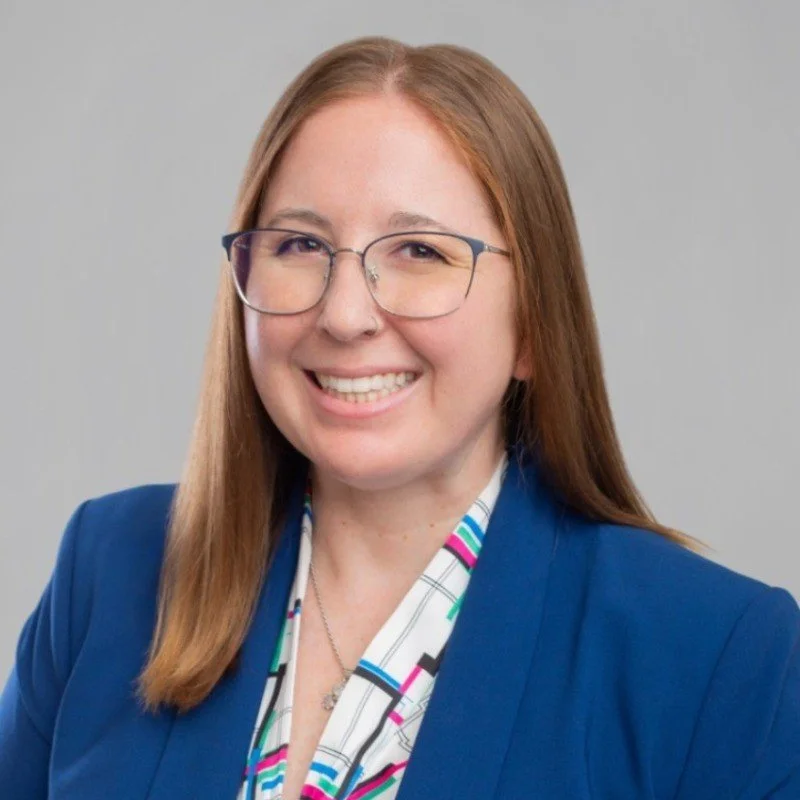
Megan Engel, GISP
What I Wish I Knew When I Started in GIS
If you’re new to GIS, here’s something I wish I’d known right away: it’s not like the labs and lectures. The data isn’t clean. The steps aren’t always spelled out. And the questions you’re asked don’t come with an answer key.
BUT! That’s also what makes GIS awesome! AND why I love it. As GIS practitioners, we get to learn, solve problems, and adapt almost every day.
Here are a few things I wish I knew when I first started in GIS:
The Practical Side
When you’re starting out, GIS feels like it’s all about maps and tools. But the hidden “hard skills” are the boring ones no one tells you about:
File Management is Probably Half the Job
If your folders are a mess, your projects will be too. Consistent naming conventions and clear file structures are lifesavers... Especially when you revisit a project six months later. Future-you will be grateful. It’s so easy to fall into the trap of “_intersect,” “_final_FINAL_2,” or “_WTF_Final_Dissolve.” I still do this sometimes, and then get mad at myself. A few extra seconds to make descriptive names that make sense (to you and others) pays off.
Coordinate Systems Will Haunt You, EVERY SINGLE TIME
Every GIS pro has a horror story about two layers that don’t line up. Learning projections and datums early will save hours of panic. If you take anything from this newsletter, let it be this: check your projections as soon as you get a new dataset. If you forget, it will come back to haunt you, and you’ll kick yourself later. Take it from me, as someone that still falls into this exact haunting at least once a month.
Metadata Matters (Seriously)
Metadata is your project’s memory. Without it, data becomes mystery meat. You think you’ll remember where “ParcelData_v3_final.shp” came from, but six months later? Nope.
Good metadata means you can confidently answer: Where did this come from? When was it updated? What edits were made? Without it, you risk two things: basing work on shaky data, or looking unprepared when someone asks and you don’t know. It doesn’t need to be fancy, a quick note, a text file, or even a comment in ArcGIS is enough. Just leave breadcrumbs for future-you (and your teammates).
The Career Side
GIS jobs are about so much more than map-making:
GIS Isn’t Just Maps
You’ll find yourself working in database design, automation, app development, field data collection, and sometimes even graphic design. The earlier you realize GIS is interdisciplinary, the faster you can learn and lean into the areas that excite you. If I was told 14 years ago I would be developing GIS based web applications and building out complex databases, I would have said "naw bruh".
Coding Isn’t Optional Forever
You don’t need to be a full-on programmer to succeed in GIS. BUT learning the basics of Python or SQL opens up a whole new world. Even simple scripts can automate the repetitive stuff and save hours of clicking.
A great way to ease in is with ModelBuilder. Build your workflow visually, then export it to the Python window. You’ll see the step-by-step code behind your process, which will help you better understand what’s happening under the hood. Over time, you’ll recognize patterns, tweak the code, and eventually feel confident writing your own small scripts. Think of it as training wheels for coding. You’re not diving into a blank screen, but you’re still learning skills that make you faster, more flexible, and way more valuable.
Never Stop Learning
The GIS field moves fast. New tools, new data sources, new methods. If you get complacent, you’ll fall behind. Build the habit of short courses, following industry news, and experimenting with new tools. A little learning each month adds up and keeps you relevant.
The Mindset Side
These “soft skills” are just as important as technical ones:
Don’t Reinvent the Wheel
Before you sink hours into building a workflow, check ArcGIS Online, GitHub, or forums. Chances are, someone has already solved your problem and shared their code or tool. Use it (with attribution in the metadata, of course).
Good Enough is Good Enough
Perfection is a trap. Your map or app doesn’t always need to win a cartography award. It needs to answer the question clearly. Prioritize clarity first, then polish if time allows.
Ask “Why?” Before “How?”
It’s easy to jump straight into clicking tools without fully understanding the problem (guilty here, too). But pausing to ask: What’s the real question? What decision will this map or analysis support? changes everything.
Member Article

Joe Livoti II
jlivoti@kgis.org
DEI Officer, Keystone GIS
Board of Directors, Keystone GIS
DEI in The GeoSpatial Industry:
Strengthening Data Through Representation
Ensuring FAccuracy and Equity in GIS Through Diversity, Equity and Inclusion
The Importance of Inclusivity in Geospatial Data Management
Why Diverse Perspectives Are Essential for Accurate and Equitable Mapping
In the rapidly evolving field of geospatial data management, professionals are tasked with collecting, analyzing, and interpreting data that shapes our world. From urban planning and environmental conservation to public health and disaster response, the decisions we make are deeply influenced by the data we handle. However, there's a pressing issue that often goes unaddressed: the lack of representation and inclusivity in our industry. This gap can lead to biased data and, consequently, inequitable outcomes.
As industry professionals and stakeholders, we must recognize that our experiences are not the only experiences. To create comprehensive and accurate geospatial data, we need to incorporate a multitude of perspectives. This article explores the importance of inclusivity in our field, provides in-depth case studies highlighting the impact of spatial biases—with relevant statistics and sources—and introduces how Keystone GIS's recently filled Diversity, Equity, and Inclusion (DEI) Officer position is working towards developing and implementing initiatives to foster these efforts.
Understanding DEI: What It Is and What It Isn't
Diversity, Equity, and Inclusion (DEI) is a framework designed to create fair, supportive, and inclusive environments where everyone, regardless of their background, has an opportunity to thrive. Each element of DEI serves a distinct purpose. Diversity refers to the presence of differences, including race, ethnicity, gender, age, disability, socioeconomic background, and more. Equity ensures fair treatment and access to opportunities by recognizing that different people may require different levels of support to reach similar outcomes. Inclusion is about fostering a culture where individuals feel valued, heard, and empowered to contribute fully. DEI is not about meeting quotas or fulfilling checkboxes—it is about removing barriers, expanding opportunities, and making systemic improvements that benefit everyone.
Despite its importance, DEI is often misunderstood. A common misconception is that it is solely about hiring quotas, but in reality, DEI focuses on ensuring fair hiring practices by mitigating biases and expanding access to opportunities. Some believe that DEI lowers standards by prioritizing diversity over qualifications, when in fact, it simply broadens the talent pool to include historically underrepresented candidates. A diverse team is often stronger, as it brings a variety of perspectives and problem-solving approaches. Another misunderstanding is that DEI is inherently political or ideological; in truth, it is rooted in workplace effectiveness, innovation, and fairness. Research consistently shows that diverse and inclusive teams perform better, make stronger decisions, and create more positive work environments.
Another point of confusion is the distinction between equity and equality. While equality treats everyone the same, equity acknowledges that different people may require different types of support to reach the same goal. Think of it as providing different-sized ladders so that everyone can reach the same high shelf. DEI is also sometimes seen as benefiting only certain groups, when in fact, it strengthens organizations as a whole by improving collaboration, decision-making, and public trust.
To combat misunderstandings about DEI, organizations and individuals can take several approaches:
Educate with facts by sharing research and data that demonstrate how DEI leads to better workplace performance and innovation.
Encourage open dialogue where misconceptions can be addressed without judgment.
Focus on business and community impact by highlighting how DEI efforts improve problem-solving, employee retention, and overall workplace culture.
Lead by example by implementing fair and inclusive practices to demonstrate the positive effects of DEI in action.
At its core, DEI is about ensuring that everyone has a fair chance to contribute and succeed. It is not about exclusion, favoritism, or forced compliance, but rather about making workplaces and communities stronger by fostering diverse perspectives, equitable opportunities, and inclusive cultures.
The geospatial industry, encompassing fields such as Geographic Information Systems (GIS), remote sensing, and spatial analysis, has made significant strides in technological advancements and applications. However, it continues to face challenges regarding representation and diversity within its workforce. Recent data indicates that the demographic composition of geospatial analysts in the United States is predominantly White (63.9%), followed by Hispanic or Latino (14.6%), Black or African American (12.9%), Asian (2.9%), and other groups14.
Gender disparities are also evident. A notable observation is that 62% of young women do not remain in the GIS industry for more than a decade, highlighting retention challenges5.
Furthermore, leadership positions within the sector lack diversity, underscoring the need for more inclusive representation at higher organizational levels6.
Addressing these disparities is crucial, as diverse teams have been shown to enhance productivity, creativity, and service quality. Dedicated efforts in education, mentorship, and organizational change can reshape the geospatial industry, ensuring its relevance and sustainability in a diverse society13.
By fostering an inclusive environment, the geospatial sector can better serve diverse communities and drive innovation through varied perspectives.
Unveiling the Bias in Geospatial Data
Geospatial data is a powerful tool, but it's not immune to bias. Let's delve deeper into real-world examples that highlight how a lack of diversity and awareness of spatial biases can skew data and negatively impact communities.
Case Study 1: The Digital Divide in Urban Mapping
Spatial Bias in Infrastructure and Emergency Services
In many urban areas, mapping initiatives have historically prioritized affluent neighborhoods, leading to a "digital divide" in spatial data representation. This bias stems from uneven investment in data collection and technological infrastructure. As a result, low-income and minority neighborhoods are often underrepresented in geospatial datasets.
Emergency Response Times: In cities like Detroit, under-mapped neighborhoods have experienced significantly longer emergency response times. A study published in the Journal of Emergency Medical Services found that in certain low-income areas, response times were up to 50% longer compared to well-mapped neighborhoods1. Lack of accurate spatial data for these areas can delay dispatching of ambulances, fire services, and police, exacerbating public safety issues.
Access to Utilities and Services: Incomplete mapping can lead to unequal access to utilities like water, electricity, and internet services. For instance, a report by the Federal Communications Commission (FCC) indicated that 21 million Americans lack broadband internet access, with rural and low-income urban areas being the most affected due to inaccurate mapping of service availability2. This digital divide affects education, employment opportunities, and access to information.
Impact on Urban Planning: Spatial biases influence urban development plans. Affluent areas with comprehensive data receive more attention for improvements, while marginalized communities lag behind. According to a study by the Urban Institute, investment in infrastructure is disproportionately allocated to well-mapped, higher-income neighborhoods, perpetuating socioeconomic divides3.
Spatial Bias Factors:
Data Collection Priorities: Funding and resources are often allocated to areas deemed economically significant, neglecting less affluent neighborhoods.
Technological Accessibility: Residents in underrepresented areas may have limited access to technology needed for participatory mapping or reporting inaccuracies.
Case Study 2: Inequities in Environmental Data
Spatial Bias in Environmental Hazard Mapping
Environmental hazards disproportionately affect marginalized communities, yet these impacts are often underrepresented in geospatial analyses due to spatial biases. This can result in inadequate preparation and response to environmental risks.
Flint Water Crisis: In Flint, Michigan, the crisis of lead-contaminated water highlighted significant spatial biases in infrastructure mapping. Predominantly African American neighborhoods lacked accurate maps of lead pipe locations, delaying the identification of affected areas and the distribution of clean water4. This spatial oversight had severe health consequences for residents, particularly children, with blood lead levels doubling in some areas.
Air Pollution Exposure: Numerous studies have shown that industrial facilities emitting pollutants are often located near low-income and minority communities. However, spatial biases in environmental monitoring mean these areas may have fewer air quality sensors or less frequent data collection. A study by the Environmental Protection Agency (EPA) found that African American communities are exposed to 38% higher levels of nitrogen dioxide compared to white communities5.
Natural Disaster Preparedness: In events like Hurricane Katrina, spatial biases in flood risk mapping led to insufficient evacuation planning and resource allocation for vulnerable communities in New Orleans. Low-income neighborhoods were more likely to be situated in high-risk flood zones but were underrepresented in disaster preparedness plans, leading to disproportionate impact6.
Spatial Bias Factors:
Inequitable Data Distribution: Environmental monitoring stations and data collection efforts are often concentrated in wealthier areas.
Historical Neglect: Long-standing neglect of infrastructure and environmental concerns in marginalized communities leads to gaps in spatial data.
Case Study 3: Bias in Health Geographics
Spatial Bias in Public Health Data
The COVID-19 pandemic exposed significant spatial biases in health data collection and resource allocation, disproportionately affecting minority and low-income communities.
Testing Site Locations: Early in the pandemic, testing sites were predominantly located in affluent areas. Spatial analysis revealed that residents in minority neighborhoods often had to travel considerable distances to access testing, leading to delays in diagnosis and treatment. A study by the Journal of the American Medical Association (JAMA) found that predominantly Black counties had 2.9 times the infection rate and 6 times the death rate compared to predominantly white counties, partly due to testing disparities7.
Vaccination Distribution: Similar spatial biases occurred during the vaccine rollout. Distribution centers were less accessible to marginalized communities, resulting in lower vaccination rates. Data from the Centers for Disease Control and Prevention (CDC) indicated that vaccination rates in Black and Hispanic communities lagged by 10-15% compared to white communities8.
Health Outcome Mapping: Spatial biases in health data collection can lead to underreporting of disease prevalence and outcomes in certain communities. This affects public health interventions and funding allocation, perpetuating health disparities.
Spatial Bias Factors:
Infrastructure Gaps: Healthcare facilities and pharmacies offering testing and vaccines are less prevalent in underrepresented areas.
Data Collection Limitations: Without granular spatial data, public health officials cannot accurately identify hotspots or allocate resources effectively.
The Value of Diverse Perspectives
These case studies underscore a vital point: when the teams managing geospatial data lack diversity and awareness of spatial biases, the data itself can become biased. This isn't just a matter of social justice; it's a professional concern that affects the accuracy and utility of our work.
By incorporating diverse viewpoints, we can:
Enhance Data Accuracy: Diverse teams are more likely to identify and correct spatial biases, leading to more accurate and representative data.
Improve Decision-Making: A variety of perspectives can inform better strategies for data collection, analysis, and application.
Promote Equity: Inclusive practices help ensure that all communities are considered in geospatial analyses, leading to fairer outcomes.
Overcoming Challenges to Inclusivity
Achieving inclusivity involves addressing several challenges:
Barriers to Entry: Underrepresented groups may face obstacles in accessing education and career opportunities in geospatial fields. The National Science Foundation reported that in 2018, only 12% of bachelor's degrees in geosciences were awarded to underrepresented minorities9.
Lack of Representation: Without role models or mentors, individuals from diverse backgrounds may be discouraged from pursuing geospatial careers. A survey by the American Association of Geographers found that 65% of minority students felt they lacked adequate mentorship10.
Systemic Biases: Existing practices and policies may inadvertently perpetuate spatial biases and exclude certain populations.
Keystone GIS: Leading the Way in Pennsylvania
As a statewide geospatial organization, Keystone GIS is committed to promoting inclusivity in our industry. We believe that embracing diverse perspectives leads to better data and, ultimately, better outcomes for all communities.
Our DEI Officer: Catalyzing Change
To further our commitment, Keystone GIS recently filled the position of Diversity, Equity, and Inclusion (DEI) Officer. This role is dedicated to developing and implementing initiatives that promote inclusivity within our organization and the broader geospatial community.
Responsibilities of the DEI Officer:
Strategic Planning: Craft and execute a DEI strategic plan aligned with Keystone GIS's mission and goals.
Community Engagement: Build partnerships with educational institutions, community organizations, and professional networks to promote diversity in geospatial science.
Policy Development: Review and update organizational policies to ensure they foster an inclusive and equitable work environment.
Training and Development: Organize workshops and training sessions on topics such as unconscious bias, cultural competency, and inclusive data practices.
Data Equity Advocacy: Lead efforts to audit existing datasets for spatial biases and implement practices that promote equitable data collection and analysis.
Moving Forward:
While there are currently no established initiatives, our DEI Officer is actively working towards developing and implementing programs that will address the challenges of inclusivity in geospatial data management. These efforts aim to:
Diversify Our Team: Enhance recruitment and retention strategies to build a workforce reflecting the diversity of the communities we serve.
Enhance Community Collaboration: Initiate outreach and participatory projects to involve underrepresented communities directly in our work.
Improve Data Accuracy: Address spatial biases in data collection and analysis to produce more reliable and equitable geospatial information.
Practical Steps Forward
So, what can we do as geospatial professionals to promote inclusivity? Here are some actionable steps for those interested in incorporating DEI practices into their workplace. The Keystone GIS DEI Officer is available to support and provide guidance for professionals looking to take meaningful steps toward inclusivity.
Diversify Hiring Practices
Action: Actively seek candidates from diverse backgrounds.
Support Available: The KGIS DEI Officer can offer insights into inclusive hiring strategies, suggest resources for reaching underrepresented candidates, and share best practices for fostering a diverse talent pipeline.
Foster Inclusive Work Environments
Action: Create a workplace culture where all team members feel valued and heard.
Support Available: The KGIS DEI Officer can provide recommendations on DEI training opportunities, facilitate discussions on inclusivity, and connect professionals with resources to help build more welcoming workplaces.
Engage with Affected Communities
Action: Involve community members in the data collection and analysis process.
Support Available: The KGIS DEI Officer is available to discuss strategies for community engagement, participatory mapping, and citizen science initiatives to ensure geospatial work reflects and benefits all communities.
Audit Existing Data for Spatial Biases
Action: Regularly review datasets to identify and correct spatial biases.
Support Available: The KGIS DEI Officer can offer guidance on tools and methodologies to detect and mitigate spatial biases in data, helping professionals make more equitable geospatial decisions.
Support Professional Development
Action: Encourage team members to attend workshops, conferences, and courses that focus on equity in geospatial science.
Support Available: The KGIS DEI Officer can help identify relevant professional development opportunities, provide recommendations for DEI-focused learning, and connect professionals with funding resources when available.
For those looking to take action, the KGIS DEI Officer is here as a resource—whether it’s offering guidance, sharing best practices, or helping connect professionals with the right tools to make their workplace and geospatial work more inclusive.
Conclusion
Inclusivity in geospatial data management is not just a noble goal—it's essential for the integrity and effectiveness of our work. By acknowledging the limitations of our own experiences and actively seeking to include diverse perspectives, we can create more accurate, equitable, and impactful geospatial data.
As professionals and associates in this industry, let's commit to making inclusivity a cornerstone of our practices. Whether through diversifying our teams, engaging with communities, or supporting organizations like Keystone GIS, each of us has a role to play in shaping a more inclusive future.
Call to Action
Join the Conversation
Participate in forums and discussions about inclusivity in geospatial science. Share your experiences and listen to others.
Get Involved with Keystone GIS
Learn more about our developing initiatives and how you can contribute. Visit our website or attend one of our upcoming events. By collaborating with our DEI Officer, you can help shape policies and projects that promote equity.
Implement Inclusive Practices
Start small by reviewing your current projects for potential spatial biases and consider how you might incorporate more diverse perspectives.
Together, we can ensure that the maps we create and the data we manage truly reflect the diverse world we live in.
For more information on Keystone GIS, our DEI Officer position, and our efforts to promote inclusivity in geospatial data management, please visit our website at www.keystonegis.org or contact us at info@keystonegis.org.